
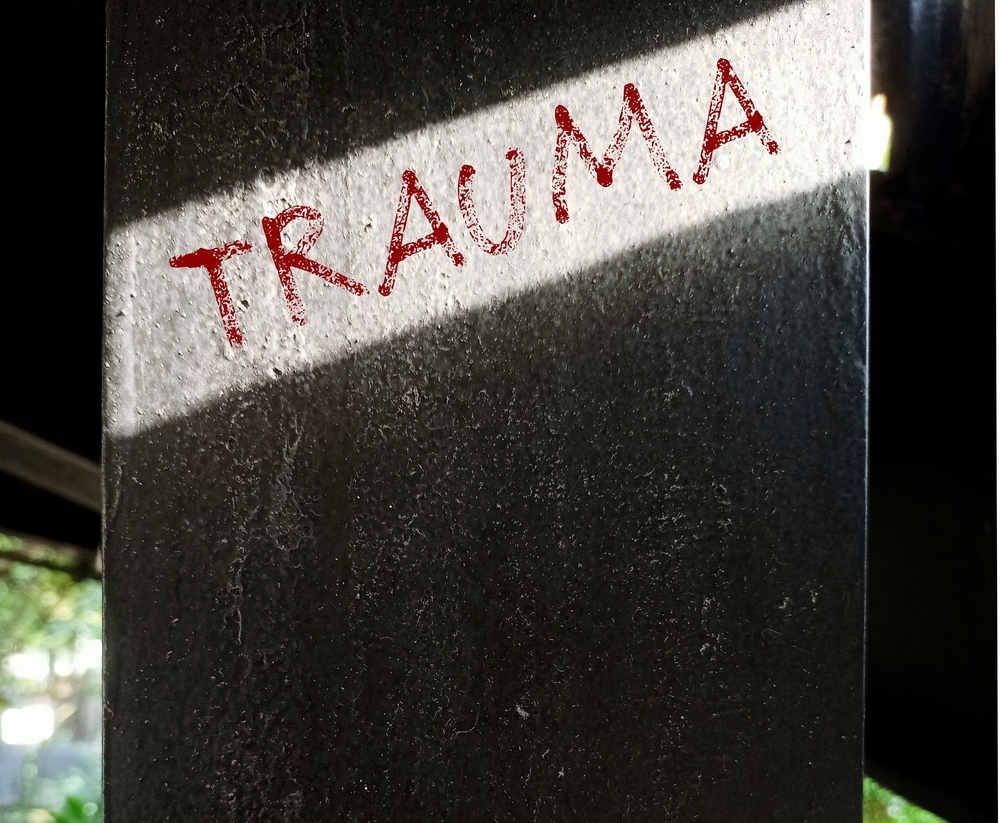
A wide range of events can trigger grief. Below is a partial list of Events That Can Trigger Your Grief & Emotional Pain. This list is not complete but highlights many common sources of grief.
- Death: Loss of children, siblings, parents, spouses, relatives, significant others, friends, former spouses, coworkers, and other loved ones.
- Divorce/separation
- End of romantic relationships
- Pet loss
- Sexual assault
- Loss of a loved one who is physically present but emotionally or mentally absent (e.g., Alzheimer’s disease, dementia, comas, TBI, etc)
- Change in the health of a family member
- Child leaving home/empty nest
- Mobility Issues, loss of mobility, or becoming bedridden
- Loss of limbs or body parts
- Incarceration
- Loss of health or vitality (non-death-related)
- End of friendships
- Miscarriages
- Stillborn births
- Infertility issues
- Sexual difficulties
- Loss of a relationship due to family estrangement or emotional distance
- Loss of a loved one who is missing or has disappeared with no resolution
- Loss of a significant role or identity, such as through retirement or career change
- Loss of connection to a community or culture due to relocation or displacement
- Loss of a loved one through immigration or separation by borders
- A loved one becomes addicted to alcohol/drugs
- A loved one is diagnosed with mental health issues
- A loved one is diagnosed with developmental disabilities
- Loss of normalcy or routine in life due to chronic illness or disability
- Loss of a relationship due to incarceration or military deployment
- Domestic violence/Intimate partner violence
- Abuse, neglect, exploitation, or human trafficking
- Loss of eyesight/blindness/visual impairment
- Loss of hearing
- Pregnancy/unplanned pregnancy/abortion
- Loss of control over one’s body
- A child is born with special needs
- Marriage/remarriage
- Abandonment
- Emotional abandonment, emotional neglect, or emotional abuse
- Loss of cultural heritage, identity, language, or land
- Intergenerational trauma/transgenerational trauma
- Adoption issues (The adoption triad: Adoptees, birth parents, and adoptive parents)
- Removal of children by authorities
- Termination of parental rights
- Placing a child for adoption (voluntarily relinquishment of parental rights/involuntarily removal of children who was placed for adoption by the authorities)
- Spouse/loved one confined to a nursing home/retirement home
- Nursing home/retirement home move
- Loss of trust
- Loss of safety
- Loss of faith or belief systems
- Loss of identity
- Loss of dreams or aspirations
- Loss of a sense of normalcy
- Loss of control or autonomy
- Loss of security (emotional or financial)
- Loss of a sense of belonging or community
- Loss of hope or optimism
- Loss of independence
- Loss of purpose or direction in life
- Loss of innocence or naivety
- Loss of a relationship without closure
- Loss of personal freedom
- Loss of time or missed opportunities
- Loss of cultural or family traditions
- Loss of self-esteem, confidence, or self-worth
- Loss of approval
- The economic loss of retirement
- Forced early retirement
- Unable to drive
- Sense of not being needed
- Decreased contact with family/friends
- Graduations
- End of addictions
- Legal problems
- Dismissal from work
- Moving
- Change in a financial state
- Change in frequency of arguments
- Major mortgage
- Foreclosure of mortgage or loan
- Change in responsibilities at work
- Trouble with in-laws
- Spouse starts or stops work
- Starting or ending school
- Change in living conditions
- Trouble with boss
- Change in working hours or conditions
- Change in residence
- Change in schools
- Change in recreation
- Change in church activities
- Change in social activities
- Change in sleeping habits
- Change in eating habits
- Vacations
- Holidays
Taking Action to Deal With This
Recognizing these events as sources of stress and grief is important, but taking action to address them is crucial. Many people carry significant emotional pain inside, unlike a visible injury like a broken arm. Healing a broken heart requires action over time, not just the passage of time.
There is a strong correlation between life stressors and medical issues. People under stress are more susceptible to various medical complications. Reducing your stress and grief can positively impact your physical well-being.
During our work together through the Grief Recovery Method (GRM) program, we focus on moving beyond the emotional pain of loss. Our program is a proven, step-by-step process designed to help people deal with past and current grief-related stress and provide tools to handle future issues.
Conclusion
This article serves as a reminder that many life events can bring elements of grief. The grief-triggering events above are an extensive list of stress-inducing events, but it is not a complete list. Each individual’s grief is unique, based on their relationships and circumstances. Thus, the number of potential grief-causing events could be much more. This article underscores the idea that grief can be triggered by numerous events well beyond the 90+ events listed here. Please comment below if you want to add to the list of events that trigger grief and loss.
Author: Franceen Rea, MSW, BSW, GRMS

Leave a Reply