
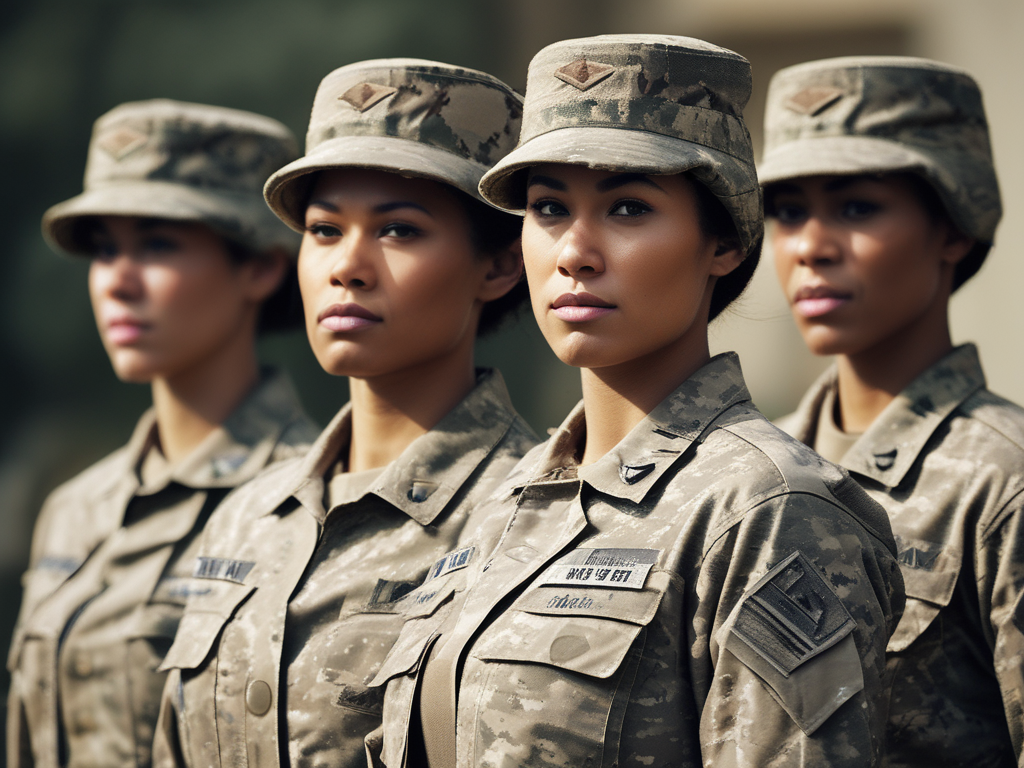
PTSD in Military Sexual Assault Survivors
Trigger Warning: The following article discusses topics related to sexual assault, sexual harassment, Military Sexual Trauma (MST), Post-Traumatic Stress Disorder (PTSD), and the associated grief and loss experienced by survivors, including those in the military. These discussions may be distressing or triggering for some readers. If you feel overwhelmed or need support, please reach out to a trusted individual or seek professional help. The Veterans Crisis Line and Safe Helpline are available 24/7 for immediate assistance. Please scroll down this page to Resources for Crisis Line phone numbers and websites.
Sexual assault and sexual harassment in the military remain pervasive and deeply troubling issues in the United States. Despite ongoing efforts to address them, rates of sexual abuse and harassment within the armed forces are alarmingly high, and many survivors face significant barriers to accessing the services they need. Understanding the scope of these problems, the challenges to reporting and receiving care, and how to support survivors through treatment, therapy, and advocacy are critical steps toward meaningful change.
The Prevalence of Sexual Assault and Harassment in the Military
Recent statistics reveal a concerning trend in the rates of sexual assault and harassment within the U.S. military. According to the Department of Defense’s (DoD) Annual Report on Sexual Assault in the Military, there were 7,816 reports of sexual assault in 2021 alone. However, these numbers only reflect reported cases, and the actual incidence is much higher, as many service members do not come forward due to fear of retaliation or disbelief.
Sexual harassment is even more prevalent, with reports indicating that thousands of service members experience unwanted sexual contact, coercion, and inappropriate behavior each year. In 2021, a survey conducted by the DoD found that 24.2% of women and 6.1% of men in the military reported experiencing sexual harassment. These behaviors often go hand-in-hand with sexual assault, creating a hostile environment that can have lasting effects on the mental and emotional well-being of those targeted.
Sexual assault and harassment affect all ranks and genders, although women are disproportionately targeted. A 2021 RAND Corporation study estimated that one in sixteen women in the military experienced sexual assault, and a huge portion of them also reported being harassed. The impact of these assaults and harassment extends beyond the individual, affecting unit cohesion, morale, and the overall mission readiness of the military.
The Grief and Loss of Sexual Assault and Harassment in the Military
Sexual assault and sexual harassment in the military bring about profound grief and loss that often goes unrecognized and unaddressed. Survivors experience a deep sense of loss—loss of trust, safety, identity, and sometimes even their sense of purpose. This grief is compounded by the military’s often rigid and hierarchical structure, where reporting such experiences can lead to isolation, retaliation, and further trauma.
For many survivors, the grief of sexual trauma is multifaceted. They may grieve the loss of the camaraderie and support they once felt within their unit, the loss of their career aspirations, or the shattering of their self-worth. The betrayal by peers or superiors who were supposed to protect them can leave lasting emotional scars, leading to a pervasive sense of grief that is difficult to overcome.
PTSD Among Sexual Assault Survivors, Active Military Members, and Veterans
Post-Traumatic Stress Disorder (PTSD) is a common and serious mental health condition that can develop after experiencing a traumatic event, such as sexual assault or harassment. In the military, the prevalence of PTSD among survivors of sexual trauma is notably high, affecting both active-duty members and veterans.
Active Military Members: For active-duty service members, the trauma of sexual assault or harassment can be compounded by the stress of military life. The constant demands, rigid structure, and often isolating environment can exacerbate PTSD symptoms, making it difficult for survivors to function effectively. Symptoms such as flashbacks, hypervigilance, and avoidance behaviors can interfere with daily duties, impact relationships with peers, and lead to a decline in overall mental health.
Veterans: Veterans who have experienced sexual trauma during their service are at an increased risk of developing PTSD. The transition from military to civilian life can trigger or worsen PTSD symptoms, as veterans may struggle with the loss of the structured environment of the military, the lack of camaraderie, and the challenges of reintegration into civilian society. For many, the memories of their trauma remain vivid, leading to chronic anxiety, depression, and difficulties in maintaining employment and personal relationships.
Military Sexual Trauma (MST): The term “Military Sexual Trauma” (MST) is used by the Department of Veterans Affairs (VA) to refer to experiences of sexual assault or repeated, threatening sexual harassment that a veteran may have experienced during their military service. MST can lead to a range of mental health issues, including PTSD, and is recognized as a significant factor in the mental health challenges faced by many veterans.
PTSD related to sexual trauma in the military is not only about the direct experience of the assault or harassment but also about the subsequent feelings of betrayal, isolation, and helplessness. The military’s close-knit structure can make it difficult for survivors to escape their abusers, leading to prolonged exposure to stressors that can worsen PTSD symptoms.

Supporting Survivors: Treatment, Therapy, and Advocacy
Addressing the needs of survivors of military sexual assault and harassment, particularly those suffering from PTSD, requires a comprehensive approach that includes immediate support, long-term care, and systemic advocacy. Here are some ways to help survivors navigate their healing journey:
Access to Confidential and Specialized Care: Ensuring that survivors have access to confidential, trauma-informed care is essential. Military and civilian healthcare providers must be trained to understand the unique challenges that military sexual trauma (MST) survivors face. PTSD-specific therapies, such as Cognitive Processing Therapy (CPT) and Prolonged Exposure Therapy (PE), have been shown to be effective in helping survivors process their trauma and reduce symptoms.
Therapy and Counseling: Therapy is a critical component of recovery for many survivors. Cognitive-behavioral therapy (CBT), Eye Movement Desensitization and Reprocessing (EMDR), and other trauma-focused therapies are effective in treating the effects of sexual trauma and PTSD. Group therapy can also offer a supportive environment where survivors can share their experiences and connect with others who understand their struggles.
Advocacy and Legal Support: Advocacy is vital in helping survivors navigate the complex military and legal systems. Advocates can provide information about survivors’ rights, assist with reporting, and offer support during investigations and legal proceedings. Legal assistance should also be available to help survivors understand their options and pursue justice.
Peer Support Programs: Connecting survivors with peer support networks can be incredibly beneficial. These programs allow survivors to share their stories and gain strength from others who have had similar experiences. Peer support can reduce feelings of isolation and provide a sense of community and understanding.
Education and Training: Ongoing education and training are necessary to change the culture of the military and reduce the prevalence of sexual assault and harassment. This includes not only training for service members on consent and bystander intervention but also training for leadership on how to handle reports of sexual assault and harassment with sensitivity and integrity.
Systemic Change: Advocacy efforts must also focus on systemic changes to the military’s handling of sexual assault and harassment cases. This could include revising the chain of command reporting structure, improving protections against retaliation, and ensuring accountability at all levels of leadership.
Grief and Loss of Sexual Assault and Sexual Harassment in the Military
The profound grief and loss experienced by survivors of sexual assault and harassment in the military must be acknowledged as a critical aspect of their recovery. This grief can manifest in many forms: the loss of trust in fellow service members, the loss of a sense of safety within the military environment, and even the loss of one’s military career or identity as a result of the trauma PTSD in Military Sexual Assault Survivors.
Survivors may feel betrayed by the institution they served and those who were supposed to protect them. The resulting grief can be compounded by the stigma and isolation they may face after coming forward with their experiences. Addressing this grief is essential to the healing process, as unresolved grief can lead to long-term emotional and psychological difficulties.
The Role of the Grief Recovery Method Program in Healing
The Grief Recovery Method Program (GRM) offers a structured approach to help survivors of sexual assault and harassment in the military process their grief and loss. This program is specifically designed to help individuals navigate the complex emotions associated with loss, including the loss of safety, trust, and self-esteem that can result from sexual trauma.
The Grief Recovery Method provides a step-by-step process for survivors to:
Identify and Express Emotions: The program helps survivors recognize and articulate the range of emotions they may be experiencing, including anger, sadness, and fear. This emotional expression is a critical first step in the healing process.
Acknowledge Pain and Loss: The program encourages survivors to acknowledge the pain and loss associated with their trauma rather than suppressing or minimizing it. This acknowledgment allows survivors to confront their feelings and begin the journey toward healing.
Take Action Toward Healing: The Grief Recovery Method emphasizes the importance of taking concrete steps to address unresolved grief. This action-oriented approach can empower survivors to regain control over their emotional well-being and move forward in their recovery.
Foster a Supportive Environment: The program provides a safe, non-judgmental space for survivors to share their experiences and connect with others who understand their struggles. This sense of community can be incredibly validating and supportive for survivors who may feel isolated or misunderstood.
By incorporating the Grief Recovery Method (GRM) into the support systems available to military survivors of sexual assault and harassment, we can provide an additional layer of care that addresses the deep, often unspoken pain that accompanies such trauma. This comprehensive approach to healing can help survivors recover from their trauma and rebuild their lives with a renewed sense of purpose and resilience.
Conclusion: A Path Forward
Sexual assault and harassment in the military, along with the associated PTSD, grief, and loss, are crises that demand urgent attention and action. By addressing the barriers to services and providing comprehensive support to survivors, including incorporating the Grief Recovery Method, we can create a safer and more supportive environment for all services.
Author: Franceen Rea, MSW, ASW, GRMS
Resources
Here are some online resources specifically designed to support military and veteran survivors of military sexual assault, PTSD, and Military Sexual Trauma (MST):
Department of Veterans Affairs (VA) – Military Sexual Trauma Resources
The VA provides comprehensive information about MST, including accessing VA services, finding support, and connecting with resources. It also offers specialized counseling and treatment programs for veterans who have experienced MST. The VA provides mental health services, including PTSD treatment, through VA medical centers and community-based outpatient clinics. Veterans can access therapy, medication management, and support groups.
Military Sexual Trauma Website: https://www.mentalhealth.va.gov/mentalhealth/msthome/index.asp
Website: www.va.gov
Phone: 1-844-698-2311
Veterans Crisis Line
Veterans Crisis Line: Available 24/7 via phone, chat, and text, this confidential helpline provides support for veterans in crisis or those who need someone to talk to about PTSD, MST, or other mental health issues.
Website: www.veteranscrisisline.net
Phone: 1-800-273-8255, Press 1
Text: 838255
Chat: Veterans Crisis Line Chat
Safe Helpline – Department of Defense (DoD)
An anonymous, confidential service provided by the DoD for the DoD community. The Safe Helpline offers crisis support and information for sexual assault survivors in the military, available 24/7 via phone, chat, text, and app. https://www.safehelpline.org
Call 1-877-995-5247 to be connected with a trained, confidential
Safe Helpline staff member, 24/7. DSN users can call the Safe Helpline by dialing 1-877-995-5247. For those unable to call toll-free or DSN, call 1-202-540-5962.
OCONUS Service members can call the Telephone Helpline for free from
anywhere in the world by using Voice over IP (VoIP) technology from
the Safe Helpline App.
Rape, Abuse & Incest National Network (RAINN) – Military Sexual Assault Resources
RAINN offers resources, information, and a hotline for survivors of sexual assault, including those in the military. They provide information about the legal rights of military survivors and connect them with support services. https://www.rainn.org/articles/military-sexual-trauma
RAINNS Online Chat Service rainn.org/get-help
RAINN is the largest anti-sexual violence organization in the United States. They provide a range of services, including the National Sexual Assault Hotline, 1-800-656-HOPE (4673), available 24/7 for confidential support. Online Chat: A live chat option for those who prefer to communicate online. Educational Resources: Information on sexual violence, consent, and prevention. Advocacy: Efforts to improve public policies related to sexual violence. Support for Survivors: Programs and resources to help survivors heal and find justice.
National Sexual Violence Resource Center (NSVRC) – Military Sexual Assault
NSVRC offers educational resources, publications, and support services focused on preventing and responding to sexual violence in the military. They also provide information on the impact of MST and PTSD on service members. Their website offers information and resources for survivors, friends, family, advocates, education, and the media PTSD in Military Sexual Assault Survivors. Support for Survivors: Information on where to get help and support for healing. Educational Tools: Resources for prevention educators and victim service providers. Media Resources: Guidance for informed reporting on sexual harassment, assault, and abuse. Research and Statistics: Data on the prevalence and impact of sexual violence.
NSVRC’s Directory of online resources: https://nsvrc.org/organizations
1-877-739-3895 TOLL-FREE
1-717-909-0715 TTY
Give an Hour – Mental Health Services for Military and Veterans
Give an Hour provides free mental health services to active military personnel, veterans, and their loved ones, including those dealing with PTSD, MST, and sexual assault trauma. https://giveanhour.org
Military OneSource
A comprehensive resource provided by the DoD, Military OneSource offers confidential non-medical counseling and support for service members and their families, including those impacted by MST and PTSD.
Website: www.militaryonesource.mil
Phone: 1-800-342-9647
The Wounded Warrior Project (WWP)
WWP provides a range of mental health services, including PTSD support, for wounded veterans, service members, and their families. They also offer specialized programs for survivors of MST. https://www.woundedwarriorproject.org/programs/mental-wellness
The National Center for PTSD
Run by the VA, this site offers extensive resources, research, and information on PTSD, including guidance specific to military-related trauma and MST. They provide tools for self-help, understanding PTSD, and finding professional treatment. https://www.ptsd.va.gov
The Veterans Crisis Line is available 24/7 for confidential crisis support for veterans and their loved ones at (988) and then press 1. Veterans can also text 838255 or chat online with the Veterans Crisis Line. For TTY, call 711, then 988.
American Red Cross Military and Veteran Caregiver Network
This network provides resources and peer support for caregivers of military service members and veterans, including those caring for individuals affected by MST and PTSD.
These resources provide vital support and information for military and veteran survivors, helping them navigate the challenges of PTSD, MST, and the recovery process. Whether through counseling, peer support, or crisis intervention, these organizations are committed to helping survivors find the needed help.

Leave a Reply