
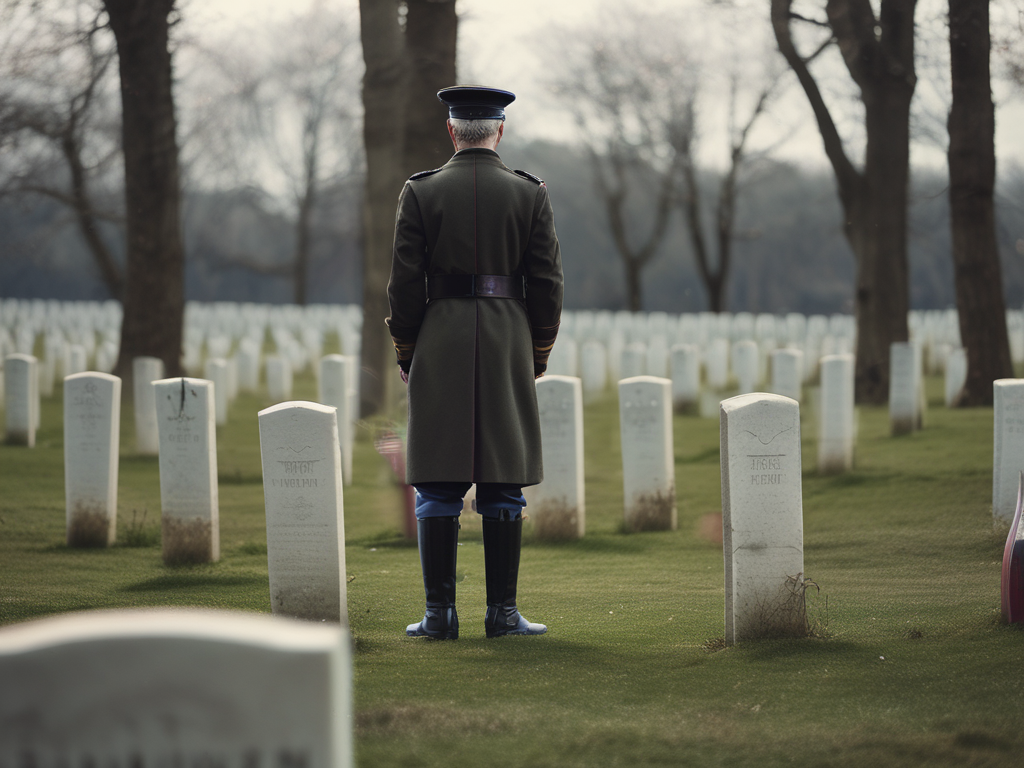
Post-Traumatic Stress Disorder (PTSD) is a significant issue for military personnel and veterans in the United States. PTSD can develop after experiencing or witnessing a traumatic event, such as combat, sexual assault, or other life-threatening situations. For military members and veterans, the prevalence of PTSD is notably higher due to the nature of their service PTSD & Grief in U.S. Military & Veterans.
Prevalence of PTSD in Military and Veterans
Combat-Related PTSD: Studies indicate that about 11-20% of veterans who served in Operations Iraqi Freedom (OIF) and Enduring Freedom (OEF) have PTSD in a given year. For Gulf War (Desert Storm) veterans, the prevalence is around 12%. Vietnam War veterans have some of the highest rates, with approximately 30% having experienced PTSD during their lifetimes.
Military Sexual Trauma (MST) and PTSD: MST is a significant contributor to PTSD among both male and female service members and veterans PTSD & Grief in U.S. Military & Veterans. About 23% of women reported sexual assault while in the military, and 55% experienced sexual harassment. MST can result in PTSD, depression, and other mental health issues.

Symptoms of PTSD
Intrusive Thoughts: Recurrent, unwanted memories of the traumatic event, flashbacks, or nightmares.
Avoidance: Efforts to avoid thinking or talking about the trauma or avoiding places, people, and activities that are reminders of the event.
Negative Changes in Thinking and Mood: Feelings of hopelessness, emotional numbness, memory problems, and difficulty maintaining close relationships.
Changes in Physical and Emotional Reactions: Being easily startled, feeling on edge, having trouble sleeping, or experiencing irritability or aggressive behavior.
Treatment Options
Cognitive Behavioral Therapy (CBT): CBT, especially trauma-focused CBT, is one of the most effective treatments for PTSD. It helps individuals process and reframe negative thoughts related to the traumatic experience.
Prolonged Exposure Therapy (PE): PE involves gradually and repeatedly exposing individuals to the trauma memory and triggers in a controlled environment, helping them confront their fears and reduce PTSD symptoms.
Eye Movement Desensitization and Reprocessing (EMDR): EMDR involves processing distressing memories while focusing on external stimuli, such as side-to-side eye movements, to help reduce the emotional impact of the trauma.
Medication: Antidepressants, such as SSRIs (e.g., sertraline and paroxetine), are commonly prescribed to manage PTSD symptoms. Prazosin is often used to reduce nightmares associated with PTSD.
Group Therapy: Group therapy provides a supportive environment where veterans can share experiences and coping strategies with others who have faced similar challenges.
Mindfulness and Stress-Reduction Techniques: Practices such as mindfulness meditation, yoga, and deep breathing exercises can help manage stress and improve overall mental well-being.
Resources for Military, Veterans, Family Members/Loved Ones
- Veterans Affairs (VA): The VA offers comprehensive mental health services, including PTSD treatment, through VA medical centers and community-based outpatient clinics. Veterans can access therapy, medication management, and support groups.
- Website: www.va.gov
- Phone: 1-844-698-2311
- Vet Centers: These community-based counseling centers provide a wide range of services, including individual and group counseling for veterans and their families dealing with PTSD and other challenges.
- Website: www.vetcenter.va.gov
- Phone: 1-877-927-8387 (1-877-WAR-VETS)
- National Center for PTSD: Part of the VA, this center provides resources, research, and education on PTSD. Their website offers self-help tools, information on treatment options, and support resources for veterans and their families.
- Website: www.ptsd.va.gov
- The Veterans Crisis Line is available 24/7 for confidential crisis support for veterans and their loved ones at (988) and then press 1. Veterans can also text 838255 or chat online with the Veterans Crisis Line. For TTY, call 711, then 988.
- Veterans Crisis Line: Available 24/7, this confidential helpline (1-800-273-8255, Press 1) provides support for veterans in crisis or those who need someone to talk to about PTSD or other mental health issues.
- Website: www.veteranscrisisline.net
- Phone: 1-800-273-8255, Press 1
- Text: 838255
- Chat: Veterans Crisis Line Chat

- Military OneSource: A resource provided by the Department of Defense, Military OneSource offers confidential help and resources for service members, veterans, and their families, including counseling services and information on PTSD treatment.
- Website: www.militaryonesource.mil
- Phone: 1-800-342-9647

Other VA Resources:
My VA411 Main Information Line
1-800-698-2411
Hours: 24/7
If you need an interpreter, Call 1-800-698-2411 and select 0. We’ll connect you with a VA call center agent. Tell the agent that you want a language interpreter to join the call.
Telecommunications Relay Services (using TTY)
711
Hours: 24/7
VA Benefits Hotline
1-800-827-1000
Hours: Monday through Friday,
8:00 a.m. to 9:00 p.m. ET
GI Bill Hotline
1-888-442-4551
Hours: Monday through Friday,
8:00 a.m. to 7:00 p.m. ET
National Call Center for Homeless Veterans
1-877-424-3838
Hours: 24/7
VA Health Benefits Hotline
1-877-222-8387
Hours: Monday through Friday,
8:00 a.m. to 8:00 p.m. ET
My HealtheVet Help Desk
1-877-327-0022
Hours: Monday through Friday,
8:00 a.m. to 8:00 p.m. ET
These websites and phone numbers provide direct access to critical resources for veterans and active military members seeking help with PTSD and related mental health challenges.
Author: Franceen Rea, MSW, BSW, GRMS

Leave a Reply