
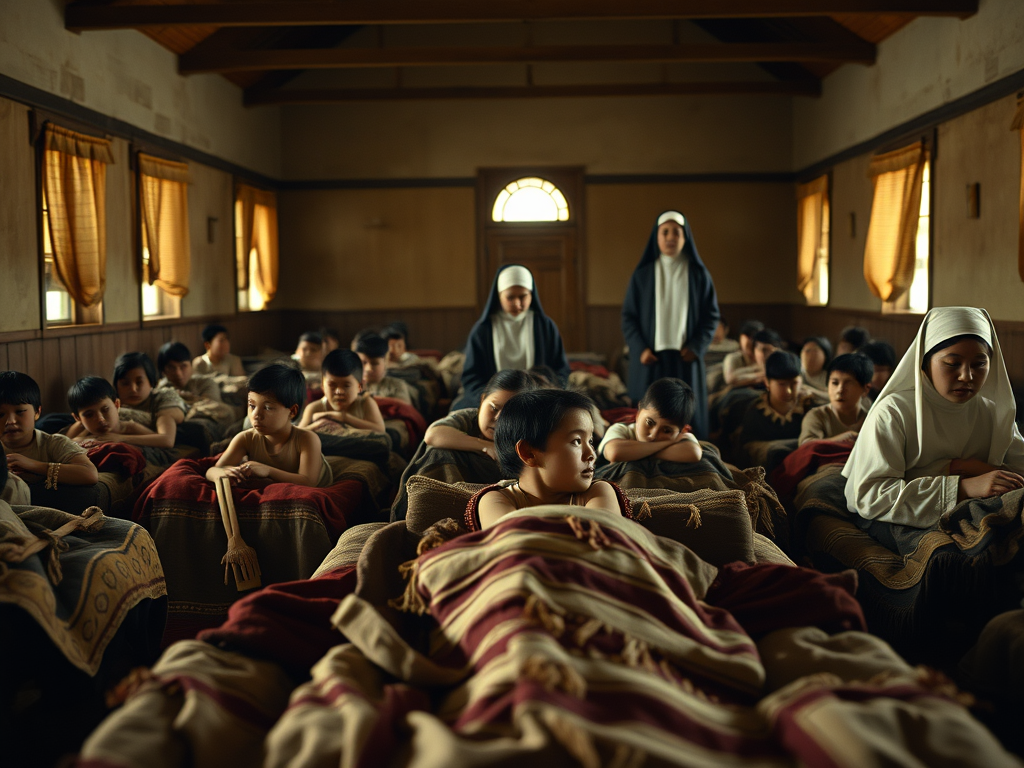
The history of Native Americans and Indigenous peoples in the United States and Canada is marked by profound grief and loss. Among the darkest chapters of this history are the residential school systems, where Indigenous children were forcibly removed from their families and communities to assimilate them into Western culture. The traumatic legacy of these schools continues to ripple across generations, creating lasting effects on the descendants of those who endured these injustices. However, healing is possible, and many Indigenous communities are finding ways to address intergenerational trauma through a combination of traditional Native healing practices and Western medicine.
The Painful History of Residential Schools
From the late 19th century to the mid-20th century, residential schools were established across the U.S. and Canada with the explicit goal of eradicating Indigenous cultures, languages, and identities. Children as young as four or five were forcibly taken from their families and placed in these institutions. At residential schools, they were often subjected to physical, emotional, and sexual abuse, malnutrition, and neglect. They were forbidden from speaking their native languages or practicing their cultural traditions, leading to a deep sense of alienation and loss.
This forcible assimilation created profound wounds. The loss of language, culture, and connection to the community has left generations grappling with feelings of displacement, shame, and grief. Many survivors of residential schools carried unresolved trauma throughout their lives, which has been passed down to their descendants through what is now recognized as intergenerational trauma.
The Effects of Intergenerational Trauma
Intergenerational trauma refers to the psychological and emotional wounds that are transmitted from one generation to the next. In Indigenous communities, this manifests as high rates of mental health challenges, substance abuse, and cycles of violence. Many descendants of residential school survivors struggle with:
– Loss of Identity: The suppression of Indigenous languages and traditions in residential schools severed cultural ties, leaving descendants searching for a sense of belonging.
– Emotional Scars: Trauma from the abuse and neglect experienced by survivors can create patterns of emotional pain and dysfunction in families.
– Socioeconomic Disparities: The systemic oppression of Indigenous peoples has resulted in ongoing poverty, lack of access to education, and limited healthcare resources for many communities.
The grief caused by these historical injustices is compounded by modern challenges, including systemic racism, environmental exploitation of Indigenous lands, and the ongoing crisis of missing and murdered Indigenous women and girls.
Pathways to Healing
Healing from such deep-seated trauma requires a multifaceted approach that honors both traditional Indigenous practices and the benefits of modern Western medicine. Below are some avenues for healing:
1. Reconnecting with Indigenous Traditions and Medicine
For many Indigenous peoples, healing begins with a return to their roots. Traditional Native American medicine and spiritual practices play a vital role in addressing trauma and rebuilding cultural identity. These practices may include:
– Ceremonies and Rituals Sweat lodges, smudging ceremonies, and talking circles are often used to cleanse the spirit, foster community, and create space for emotional healing.
– Herbal Medicine: Indigenous knowledge of medicinal plants, such as sage, cedar, and sweetgrass, is used to promote physical and emotional well-being.
– Storytelling and Oral History: Sharing stories of resilience and survival helps preserve cultural knowledge and strengthen community bonds.
– Connection to Nature: Many Indigenous healing practices emphasize the importance of living in harmony with the natural world, which can be deeply restorative for individuals and communities.
2. Mental Health Support Through Western Medicine
Western medicine also offers important tools for addressing the psychological effects of intergenerational trauma. Some strategies include:
– Trauma-Informed Therapy: Therapists trained in trauma-informed care can help individuals process the pain of the past while developing coping mechanisms to manage current challenges.
– Culturally Sensitive Counseling: Mental health professionals who understand Indigenous cultures and histories can provide more effective and empathetic care.
– Medication and Support Groups: For those struggling with depression, anxiety, or substance abuse, medication, and peer support groups can be valuable resources.
3. Community-Led Initiatives
Indigenous communities are at the forefront of creating programs that blend traditional and modern approaches to healing. Examples include:
– Language Revitalization Programs: Teaching Indigenous languages to younger generations helps restore cultural pride and identity.
– Education and Awareness: Community workshops and events educate people about the history of residential schools and intergenerational trauma, fostering understanding and solidarity.
– Land-Based Healing: Programs that reconnect individuals to their ancestral lands provide a sense of grounding and spiritual renewal.
Moving Forward with Hope
Healing from the grief and loss caused by residential schools is a long and ongoing process. For Indigenous peoples, reclaiming their identities, languages, and traditions is not only a way to heal but also a form of resistance against the forces that sought to erase them. By combining the wisdom of traditional Native medicine with the tools of Western medicine, Indigenous individuals and communities can find paths to resilience and renewal.
It is also essential for non-Indigenous allies to support these efforts by advocating for justice, reconciliation, and systemic change. Acknowledging the pain of the past and committing to a more equitable future can help create a world where Indigenous cultures are celebrated and their people thrive.
Healing is not linear, but it is possible. Through connection, understanding, and a commitment to preserving Indigenous ways of life, the wounds of the past can begin to mend, and future generations can carry forward a legacy of strength and hope.
Author: Franceen Rea, MSW, BSW, GRMS

Leave a Reply