
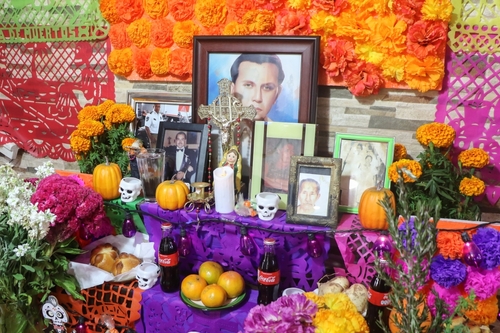
Grief is a universal experience, but how we honor and remember our deceased loved ones varies across cultures. In Mexican, Hispanic, and Latino traditions, these rituals and celebrations are imbued with rich symbolism, vibrant customs, and a profound sense of community. These practices provide comfort and connection and celebrate the enduring bond between the living and the dead.
Día de los Muertos (Day of the Dead)
One of the most well-known celebrations is Día de los Muertos, a Mexican holiday that has gained recognition worldwide. Celebrated on November 1st and 2nd, this holiday is a time to honor and remember deceased loved ones with joy and reverence.
Ofrendas (altars) are a central part of this celebration. Families create elaborate altars adorned with photographs, favorite foods, and personal mementos of the deceased. Marigolds, known as cempasúchil, are used to decorate the altars and are believed to guide the spirits back to the living world with their vibrant color and scent.
Calaveras (skulls) and Catrinas (elegantly dressed skeleton figures) are iconic Día de los Muertos symbols. They represent the acceptance of death as a natural part of life. The celebration includes lively parades, traditional music, and dance, reflecting a unique blend of Indigenous and Spanish influences.
Novenarios and Vigils
In many Hispanic and Latino communities, novenarios are a series of nine consecutive days of prayers and masses held for the deceased. These gatherings allow family and friends to come together, share memories, and support one another through grieving. The final day often includes a larger gathering, with food and music, celebrating the departed’s life.
Vigils are also common, where loved ones stay with the deceased’s body, offering prayers and keeping company until the funeral. These practices emphasize the importance of community and collective mourning, ensuring no one grieves alone.
All Saints’ Day and All Souls’ Day
All Saints’ Day (November 1st) and All Souls’ Day (November 2nd) are significant in many Catholic Hispanic and Latino cultures. These days are dedicated to remembering and praying for the deceased, particularly those not honored with individual ceremonies.
Families visit cemeteries to clean and decorate graves with flowers, candles, and sometimes even food offerings. It’s a time of reflection, remembrance, and spiritual connection, bridging the gap between the living and the dead.

The Role of Food in Grieving
Food is important in Mexican, Hispanic, and Latino grief rituals, holidays, and celebrations. Sharing meals is a way to honor the deceased, comfort the bereaved, and strengthen community bonds.
Traditional foods like tamales, pan de muerto (a special bread made for Día de los Muertos), and atole (a warm corn-based beverage) are often prepared and shared. These delicious dishes carry deep cultural significance, connecting families to their heritage and loved ones.
Music and Dance
Music and dance are integral to many Mexican, Hispanic, and Latino rituals, providing a means to express grief, celebrate life, and connect with the spiritual world. Mariachi bands are commonly hired to play at funerals and gravesites, offering a mix of somber and uplifting tunes.
Danza de los Viejitos (Dance of the Little Old Men) is a traditional Mexican dance performed during Día de los Muertos. Dancers wear masks and perform humorous, exaggerated movements, symbolizing the joy and celebration of life even in the face of death.

Conclusion
Mexican, Hispanic, and Latino cultures offer a rich tapestry of grief rituals, holidays, and celebrations that honor the deceased in vibrant and meaningful ways. These practices remind us that death is not an end but a continuation of the relationship between the living and the departed. These cultures celebrate life and death through food, music, dance, and communal gatherings, providing comfort and connection to grieving people.
By Franceen Rea, MSW, BSW, GRMS

Leave a Reply